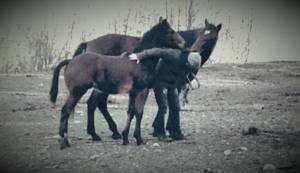
 Cognition as a continuous process of knowledge of knowledge, as a process of creating a world that makes consistent, central and active the subjective experience, therefore not as a mere passive repetition of behaviors, represents and will represent increasingly one of the last, challenging and most emotional frontiers of animal ethics.
They don’t remember what you try to teach them. They remember what you are. – Jim Henson
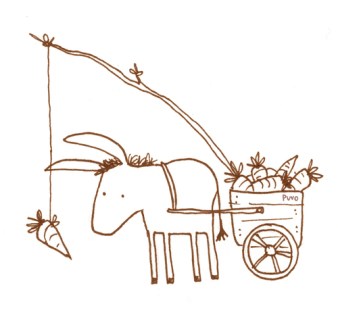 Preservare e valorizzare l’animalità non significa proletarizzare cani, asini e cavalli, per continuare a renderli utili e servizievoli impiegati della nostra società. Preservare e valorizzare l’animalità non significa addestrare i cani ad essere bravi cittadini, gli asini bravi terapeuti e i cavalli bravi maestri, espropriandoli della loro propria identità animale e culturale. Preservare l’animalità rappresenta soprattutto una questione aperta con noi stessi animali umani, quando abbiamo deciso che valorizzare l’animalità significasse proletarizzarla, impiegarla e sfruttarla.
 Recognizing a moral status for animals, not less than that for human animals, it change and indeed overturns many meanings, even and especially applicative, in our interaction with animality.
 Francesco De Giorgio
Devi effettuare l'accesso per postare un commento.